All Categories
Featured
Table of Contents
These employee-centric methods manifest in variables like staff member experience, worker engagement, psychological health, work-life balance, positive profession growth, and more. Organizations will prioritize improving the employee experience in 2025 to attract and keep top talent, increasing efficiency and decreasing turnover rates. The COVID-19 pandemic accelerated remote work, benefiting employees and businesses.
It becomes essential for HR leaders to customize rules and find out new efficiency management and interaction methods in light of these developments. These hybrid work designs likewise enable employees to combine their personal and expert lives and maintain a while minimizing travel time and costs. They also allow companies to access a bigger talent pool by producing a culture that appreciates workers' skills and productivity more than their existence in the office.
Proactive Governance: Staying Ahead of 2026 Legal ChangesEven more, the hybrid work model skill management pattern in 2025 will help services in accessing various viewpoints and experiences, encouraging development and imagination. AI has emerged as a transformative force in recent years, and 2024 might witness a new dimension of automation, resulting in the adoption of AI-driven talent management tools.
HR professionalsmust accept AI to enhance staff member engagement, experience, and efficiency management. According to AIHR, by 2025, 75% of HR professionals will be using AI-powered services, automating 40% of tasks and permitting HR to focus on strategic operations. Further, the recent upgrade that has actually changed the HR paradigm is generative AI.
Why Labor Market Dynamics Impact GCC Strategy in 2026
By automating repeated work and enhancing human abilities, generative AI can enhance task design., screening, interviewing, and onboarding. Analyzing information and developing individualized training programs can also assist companies in developing and retaining skill.

It involves fostering inclusive cultures in which employees feel valued and supported, resulting in enhanced task fulfillment and basic wellness. Staff members are encouraged to contribute more and much better when they feel acknowledged for their distinct skills and contributions. Skill management trends in 2025 will witness a shift from standard to nimble performance management designs.
Agile efficiency management (the focus of skill management patterns in 2025) is a versatile, continuous, and collaborative way to handle employee efficiency. Agile efficiency management advantages the workers and the organization.
Maximizing Corporate Cost Reduction through Strategic Optimization
This process includes identifying and developing possible future leaders within the company to make sure a seamless transfer of important functions and obligations. Succession planning contributes to overall performance and sustainability by preventing disturbances and maintaining management connection.
Compliance and security in talent management are necessary in light of the growing emphasis on data defense legislation. should guarantee that their talent data is secure and follow all appropriate legal requirements. Developing compliance is not only a legal requirement however likewise ensures staff member trust and commitment by protecting personnel confidentiality.
To remain alert about possible risks and promote the self-confidence of both workers and stakeholders, HR specialists ought to continuously examine and update their security procedures. Organizations should focus on ongoing ability advancement as innovation establishes and job functions progress. HR specialists need to ensure staff members have the skills to adjust to moving market requirements while contributing to the company's success by offering routine training opportunities and promoting a continuous knowing culture.
By offering tools and encouraging possibilities for self-directed learning, HR managers may inspire workers to take charge of their education and growth. The current innovation can help with these operations, making acquiring training materials and tracking personnel efficiency simple. Effective learning management systems (LMS) and individualized training programs are vital for business dexterity and competitiveness.
Professional Analysis of Modern GCC Frameworks
VR makes natural simulations possible and is the best tool for high-stakes environments or companies. On the other hand, by superimposing digital info over the physical world, enhanced truth (AR) enhances on-the-job training.
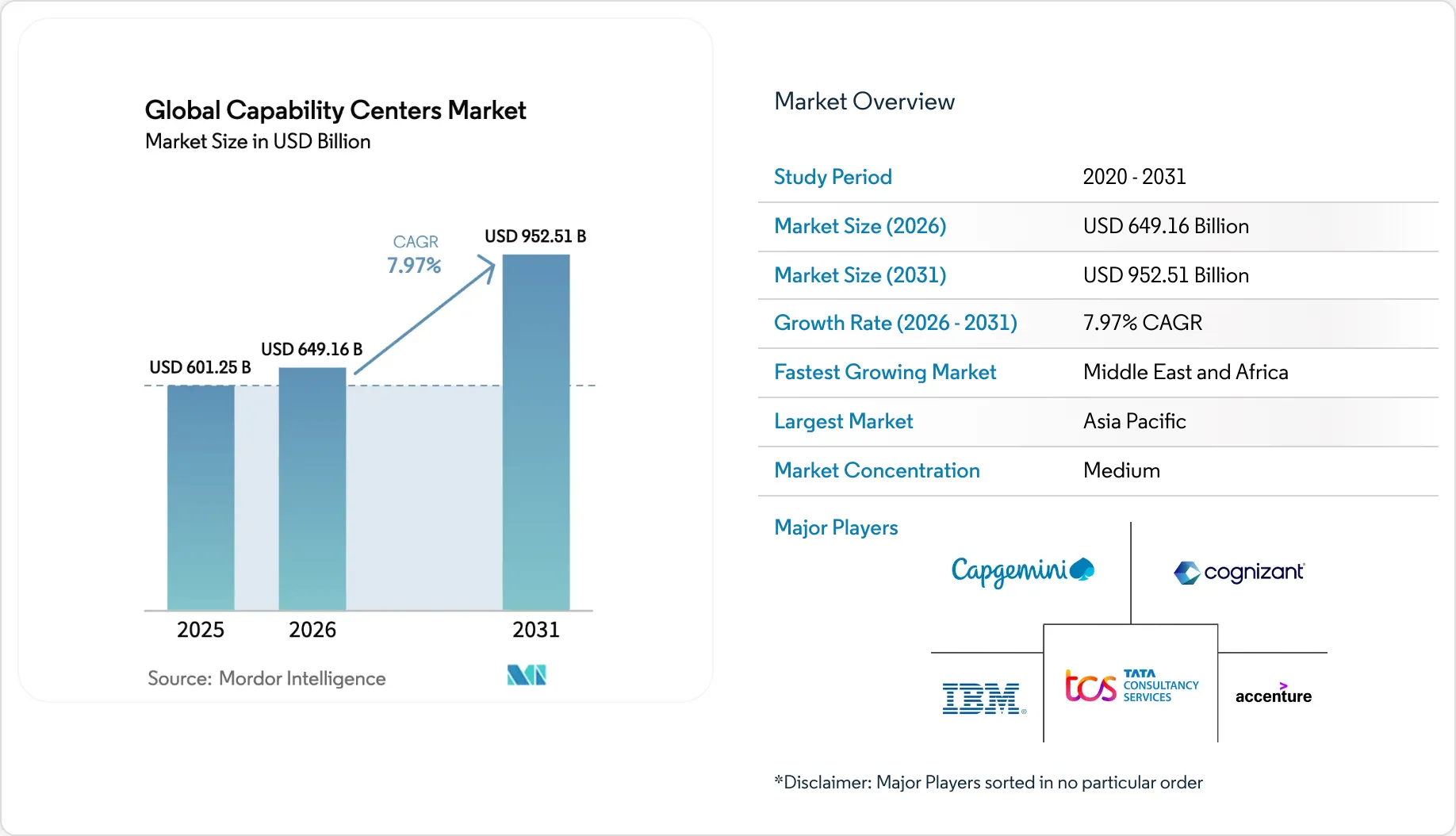
Business using these technologies will have an advantage over rivals in drawing, nurturing, and keeping exceptional personnel.

Latest Posts
Pros and Cons of Nearshore Expansion in 2026
Global Vs Nearshore: Analyzing the Optimal 2026 Approach
Understanding Workforce Dynamics in the Modern Era