All Categories
Featured
87); Right to Organise and Collective Bargaining Convention, 1949 (No. 98); and Collective Bargaining Convention, 1981 (No. 154). For further research study assistance on this style, see the ILO Research Guide: Collective Bargaining. implies any work that is "exacted from any person under the hazard of any penalty and for which the stated individual has not used himself willingly" (ILO Required Labour Convention, 1930 (No.
Adapting to the Digital-First Reality of 2026 GCCs
Appropriate ILO requirements include Protocol of 2014 to the Forced Labour Convention, 1930, and Abolition of Forced Labour Convention, 1957 (No. 105). The ILO database NATLEX provides access to national legislation on the removal of forced labour. For additional research help on this theme, see the ILO Research Study Guide: Forced Labour. Appropriate subtopics represented by ILO instruments consist of Equal Compensation Convention, 1951 (No. 100), Discrimination (Employment and Occupation) Convention, 1958 (No. 111), Maternity Defense Convention, 2000 (No. 183), and Violence and Harassment Convention, 2019 (No. 190). For more research assistance on this style, see the ILO Research Guide: Gender Equality. refers to the motion of individuals across borders for work.
Adapting to the Digital-First Reality of 2026 GCCs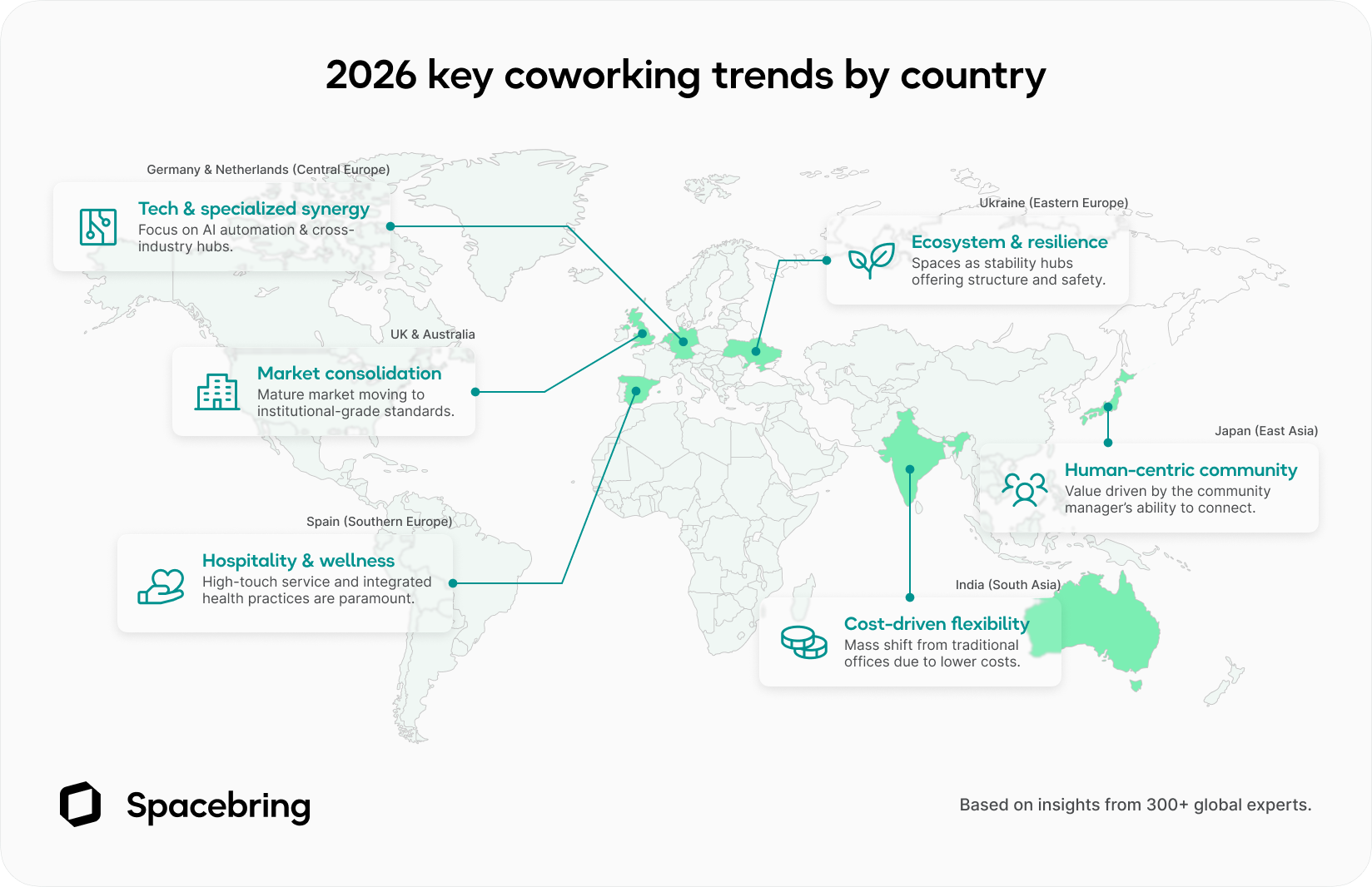
ILO instruments consist of Migration for Employment Convention, 1939 (No. 66); Migration for Employment (Modified) Convention, 1949 (No. 97); and Migrant Workers (Supplementary Arrangements) Convention, 1975 (No. 143). For additional research assistance on this style, see the ILO Research Study Guide: International Labour Migration. refers to any system under which a wage flooring is determined for all wage earners to guarantee "a minimum level of pay defense" (The Fundamentals of Base Pay Repairing, 2005).

Latest Posts
Pros and Cons of Nearshore Expansion in 2026
Global Vs Nearshore: Analyzing the Optimal 2026 Approach
Understanding Workforce Dynamics in the Modern Era